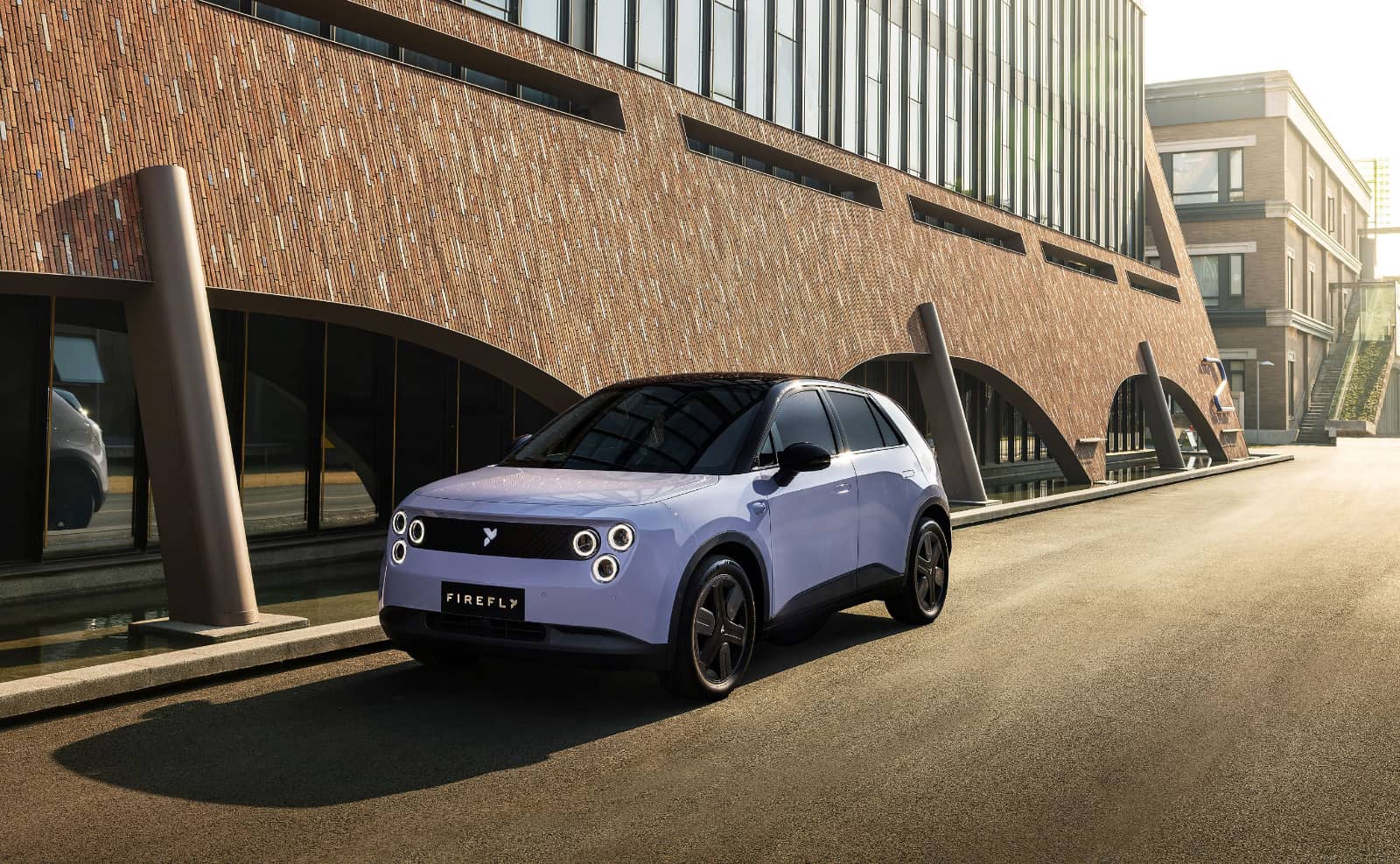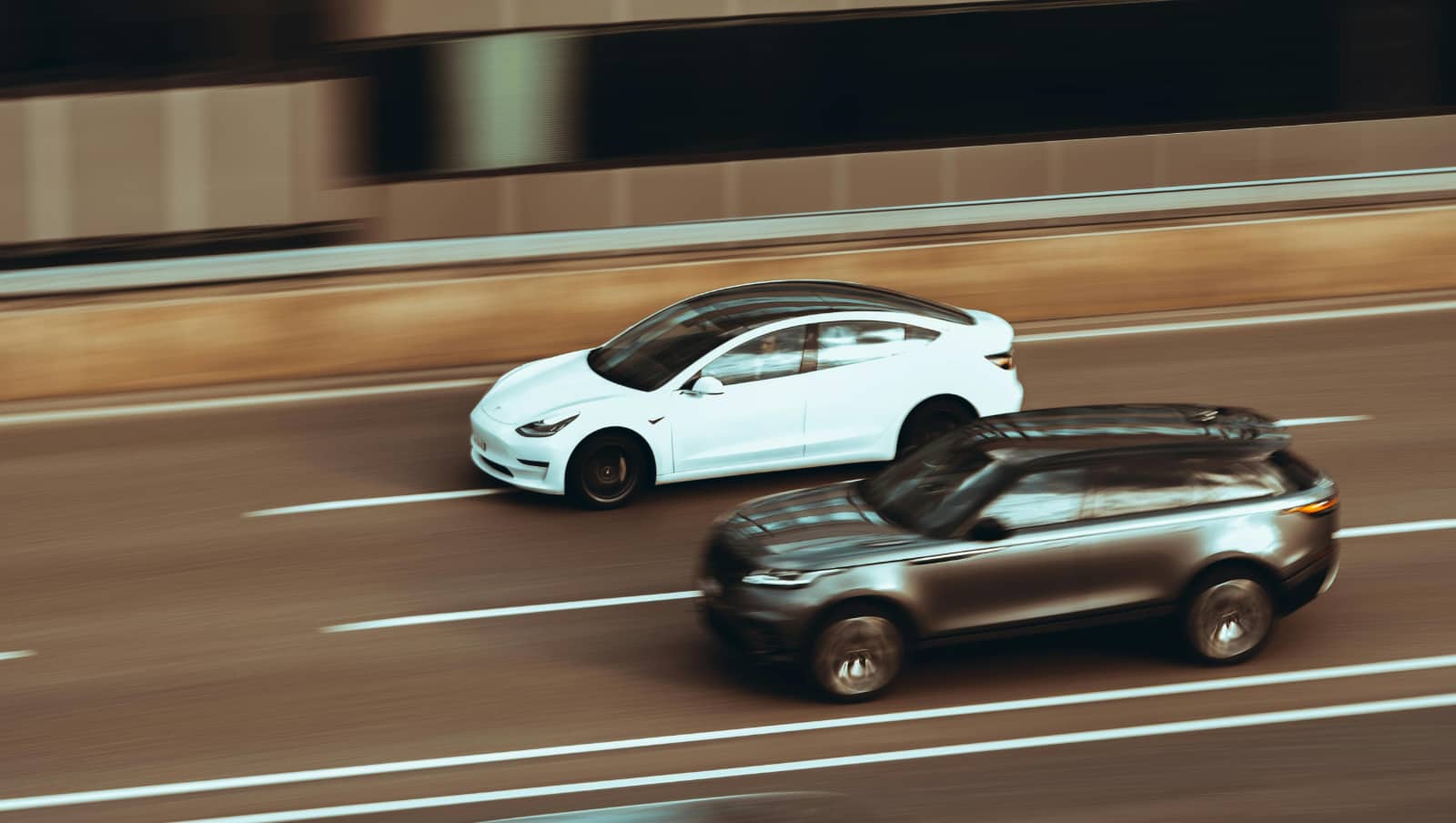
While electric vehicles (EVs) are easily where technology is going, the take-up of the technology was relatively small to begin with. It's been a few years, and the numbers are still quite small. A handful of initial vehicles offered limited range, needed charging stations, and might not have been the best value all things considered.
But the times they are a changing.
Now the market is flooded with models, coming from brands you know and brands you don't. A simple search for "electric cars" shows a list of names that won't initially be familiar, but which will start to become your bed of research all too quickly.
Names from China and Korea dominate, though European and Japanese brands are here, too. There are so many, the moment you begin to search, chances are that the ads on social and search will change with it, advertising new cars to you aplenty.
And the timing may not be better: if you drive, chances are the petrol pricing is making you nervous. It might be making you wonder if it's time to jump to a new car that can avoid all the turmoil at the bowser.
If that's the case, it might be time for the government to take action, to see the writing on the wall of international petroleum pricing, and get involved.
It might be time for the government to push electric vehicles, and consider a rebate and program to deliver relief in the form of more energy efficient vehicles.
Revisiting a rebate
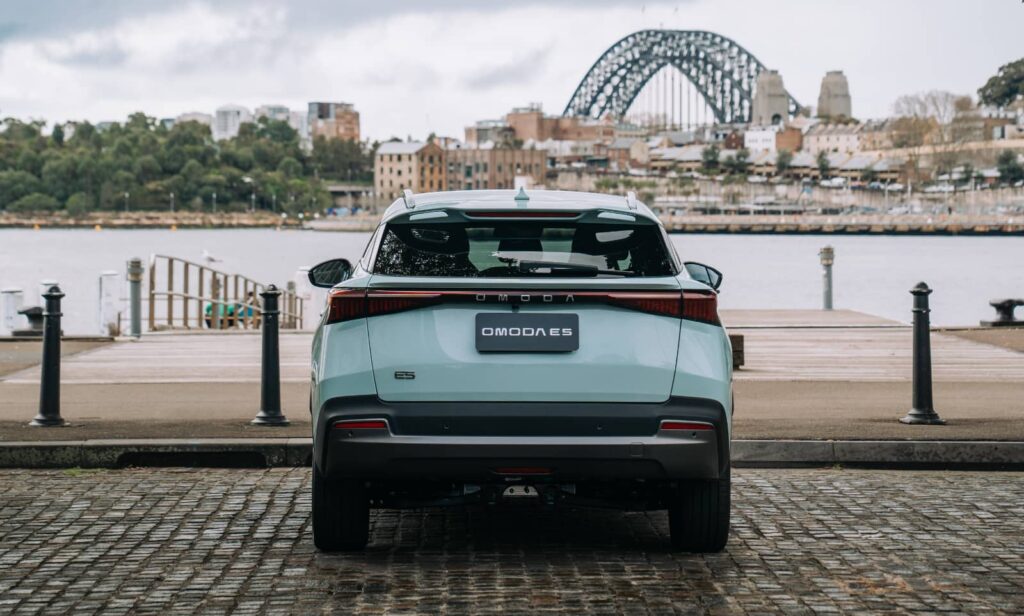
A rebate on electric vehicles isn't without precedent. The NRMA reports that NSW offered rebates back in 2021, a program that even found thousands of rebates went unclaimed.
Drivers from other states have also seen rebates, but depending on what they are, the programs might now be discontinued. That happens, and finding states with current EV incentives can prove difficult.
Roughly five years ago, electric cars were still nascent, but promising. The batteries needed to be better, as did the engines and addressing their efficiency, but things have moved. Things have changed.
The idea of a petrol-less car that can be charged and fuelled up simply by plugging it in represents a future that makes sense. More houses have solar and are finding ways to improve energy efficiency, complete with batteries that can store the sun's energy and use it later in the day. Granted, more chargers need to be installed, but states are beginning to publish charging locations to make life easier for everyone.
It's no wonder then that governments were naturally pushing people to get behind the technology and start embracing a petrol-free world even at the introduction of mass EV availability.
In 2026, however, the urgency of moving away from gasoline couldn't be more important. With the war on Iran led by the US and Israel, the price of petrol has increased staggeringly, going up by nearly a full dollar per litre in the first few weeks, and typically around 50 to 70 cents from where it was barely a month or two ago.
It may as well be chaos for drivers, but it's chaos with a potential solution.
That new car feeling
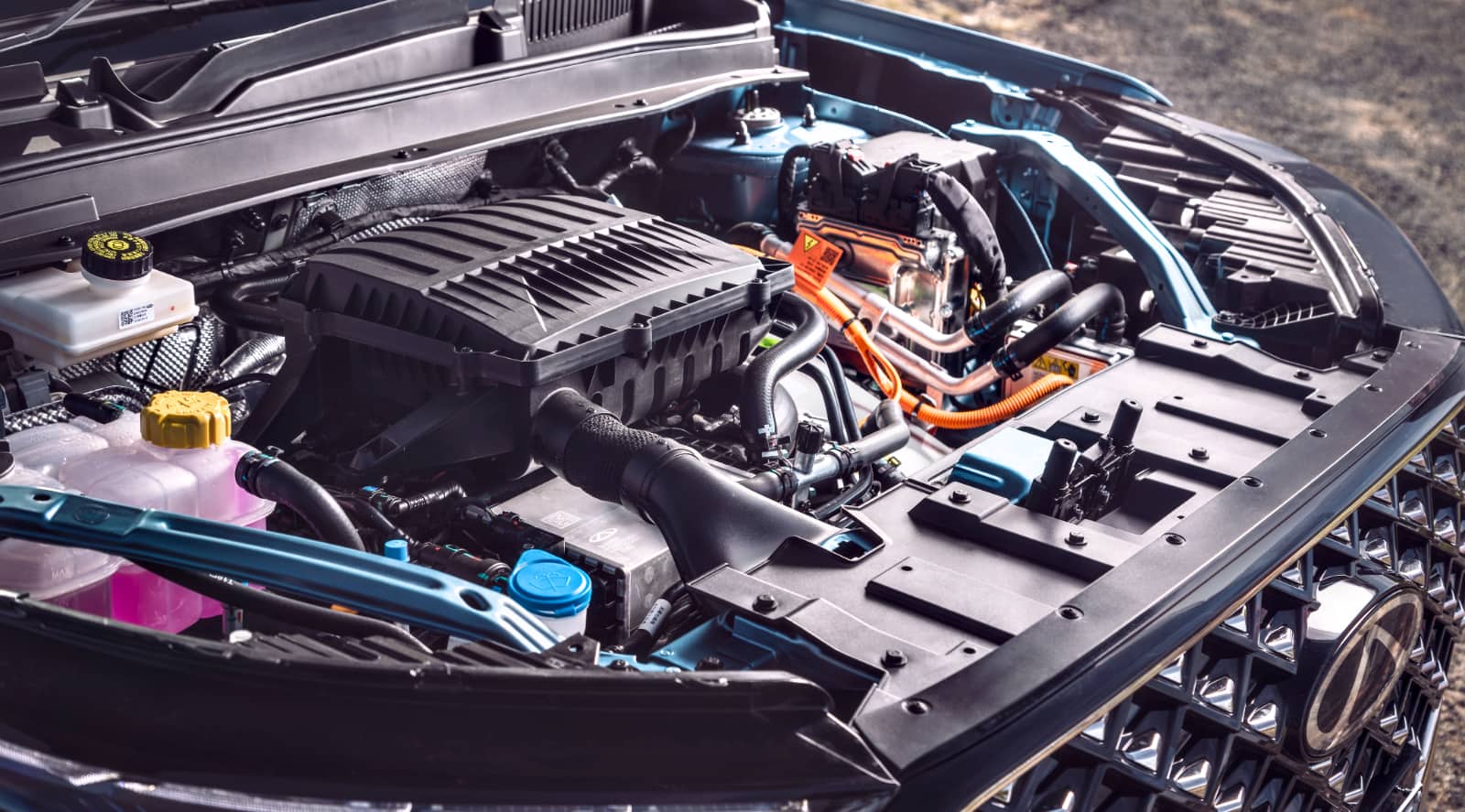
There's very little that offers "that new car feeling" like getting a new car, but typically the cost of a new car can make that difficult. So many of us end up buying used or close to new because they're much more affordable.
But with so many new electric vehicles flooding the market, many of which appear keen on offering deals amidst increased competition, there is now ample reason to consider one, especially as a replacement for a petrol car.
Cost could end up bring the primary reason, and that is as good a reason as any. At the moment, this journalist's Mazda CX-5 costs close to $130 to fill up, while barely a month ago, a full tank was under a hundred. Those costs are clearly rising, and they're not even the extent of where they could go.
We're not even talking about diesel, either. No wonder people are working out tips to make their petrol go further.
While the ACCC attempts to curb rapidly rising fuel prices and asks for sellers to explain what's happening, one obvious solution is a push for new cars.
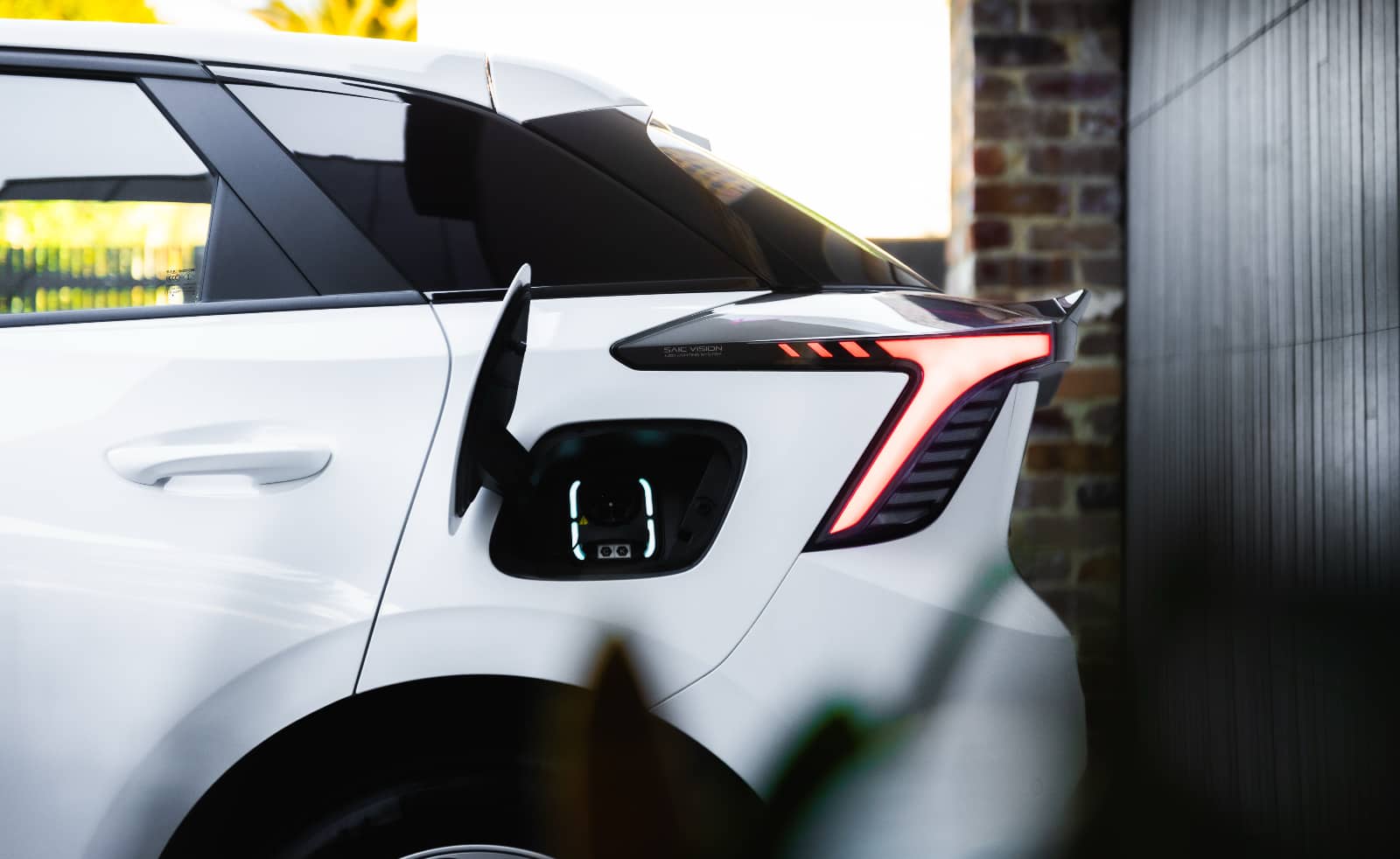
Electric vehicles won't be on the cards for every industry, and a move to make them more affordable will come with ramifications, some of which are clear positives.
For instance, it's probably pretty obvious that increases in petrol prices will have a knockdown effect on the cost of your supermarket shop-up. It doesn't take much imagination to expect higher petrol prices to trickle down to the overall cost of goods, something electric vehicles could assist with.
Electric trucks could keep the prices down for farmers and supermarket chains, and prevent petrol from being the reason why your weekly shop is now suddenly more expensive.
You only have to look at the calculations to see how a switch to an electric vehicle might improve for everyone. If you charge a full EV nightly using off-peak electricity, the cost per 100 kilometres of travel might be down to mere dollars for the travel, versus a lot more at the pump.
Multiply that by even larger numbers, and you start to see where the savings add up, something we've attempted to make sense of. Working out your energy usage will give you a better idea of how things will go, but from the calculations, if you charge using overnight electricity, or even using readily found chargers, it can really start to make a dent.
A policy amidst turbulent times
The times are turbulent, too. It barely seems like the world has managed a break, and there are some pretty evident reasons why.
But with the cost of living seemingly rising due to a bunch of events out of everyone's control, you'd think a government push to attempt to remedy some of these issues would be popular.
The world didn't asked to be dragged into a war that now threatens to strangle the economy, but here we are. Now we just need a government willing to think about a solution that is literally right in front of its nose, and help its citizens find a way.
Dear Prime Minister, if you're looking for a way to impress upon your citizens that you care about their wallets and perhaps even the environment long term, consider consulting your treasurer and concocting a plan and rebate of some form.
I'm clearly not the only person that thinks adding more electric vehicles could be good for the country, and might ease our dependency on standard petrol.
You might just actually save people some money, rather than simply hope prices go down amidst whatever is happening finishes. Whenever that happens. It might just benefit everyone in the end.